

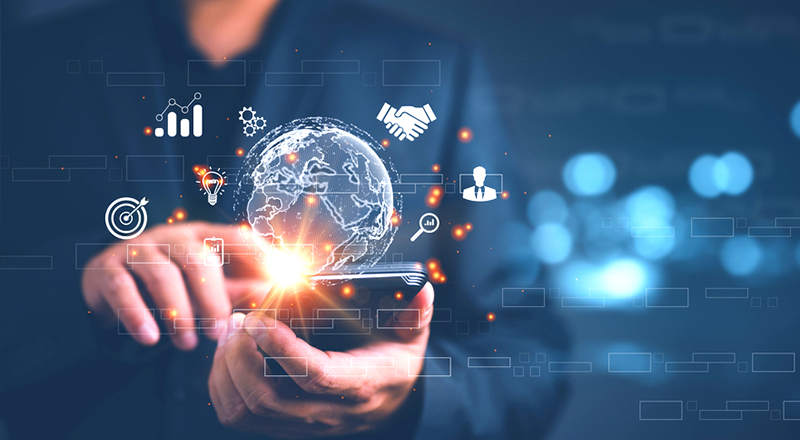
Technology changes quickly, but business applications often remain in place for years. A legacy application may continue to perform essential tasks, yet its aging architecture can make everyday operations harder to manage. Slow performance, limited integrations, outdated infrastructure, and growing maintenance requirements can eventually affect productivity and business growth. Application modernization services provide a structured way to address these challenges while preserving the valuable functionality already built into existing software.
Understanding the Need for Application Modernization
Legacy applications are not necessarily bad applications. Many have supported businesses successfully for years and contain critical workflows, business rules, and historical data. The problem often comes from the technology surrounding them.
Older applications may depend on programming languages, databases, operating systems, or infrastructure that are becoming difficult to support. They may also lack the flexibility needed to communicate with modern applications and cloud-based platforms.
Instead of immediately replacing these systems, organizations can evaluate which parts should be improved, redesigned, migrated, or retained. This makes modernization a strategic technology decision rather than simply an application upgrade.
How Modernization Supports Business Operations
Modern applications need to respond to changing business requirements. Employees expect reliable systems, customers expect fast digital experiences, and organizations need software that can integrate with an expanding technology ecosystem.
Modernization can help create this flexibility. Applications can be optimized to process workloads more efficiently, while APIs can allow legacy functionality to interact with newer platforms. Cloud migration can also provide access to infrastructure that is easier to scale and manage.
These improvements can make it easier for businesses to introduce new features without repeatedly working around limitations in an aging application.
Key Areas of Application Modernization
A modernization initiative can focus on several technical areas depending on the organization’s requirements.
Cloud Migration
Moving legacy applications to cloud-ready infrastructure can improve flexibility and simplify resource management. Depending on the application, businesses may choose to rehost it with minimal changes or redesign components to take greater advantage of cloud capabilities.
Code Refactoring
Over time, application code can become complicated due to years of updates and patches. Refactoring helps simplify and improve the codebase without necessarily changing the application’s core purpose. Cleaner code can make future development and maintenance easier.
Architecture Modernization
Some legacy applications were designed as tightly connected systems. This can make individual components difficult to update. Modern architecture patterns can separate application functions and make them easier to develop, deploy, and scale.
API Integration
APIs provide a practical way to connect existing applications with modern services. Instead of replacing an entire legacy system, businesses can expose selected functionality and allow other applications to communicate with it.
Performance and Security Improvements
Modernization can also address slow response times, inefficient processes, outdated dependencies, and security weaknesses. Performance optimization and updated security practices can help create a more reliable application environment.
Benefits of Modernizing Existing Applications
One of the biggest advantages of modernization is that businesses can continue using valuable existing software while reducing its technical limitations.
Improved performance can support employees and customers more effectively. Better scalability can help applications handle increasing workloads. Modern integrations can connect previously isolated systems, while updated infrastructure can make monitoring and maintenance easier.
Modernization can also reduce technical debt. Instead of repeatedly spending resources on temporary fixes, businesses can invest in improvements that create a stronger foundation for future development.
A Strategic Approach to Modernization
Successful modernization starts with assessment. Organizations should understand how their applications work, what dependencies they have, which components are business-critical, and where the greatest technical risks exist.
From there, teams can prioritize modernization efforts. Not every application needs the same treatment. Some may benefit from rehosting, while others may require refactoring or a complete architectural transformation.
A phased modernization strategy can reduce disruption and allow organizations to test changes before expanding them across the environment.
Preparing Legacy Applications for the Future
Modernization is ultimately about making existing technology more useful for the future. Businesses do not always need to abandon applications simply because they are old. With careful planning, legacy systems can be improved and integrated into a modern technology environment.
By using the right application modernization services, organizations can improve application performance, strengthen security, support cloud adoption, enable integrations, and create software that is easier to maintain. For businesses facing the growing cost and complexity of legacy technology, modernization can provide a practical way to move forward while protecting the value of existing applications.











Leave a Reply