

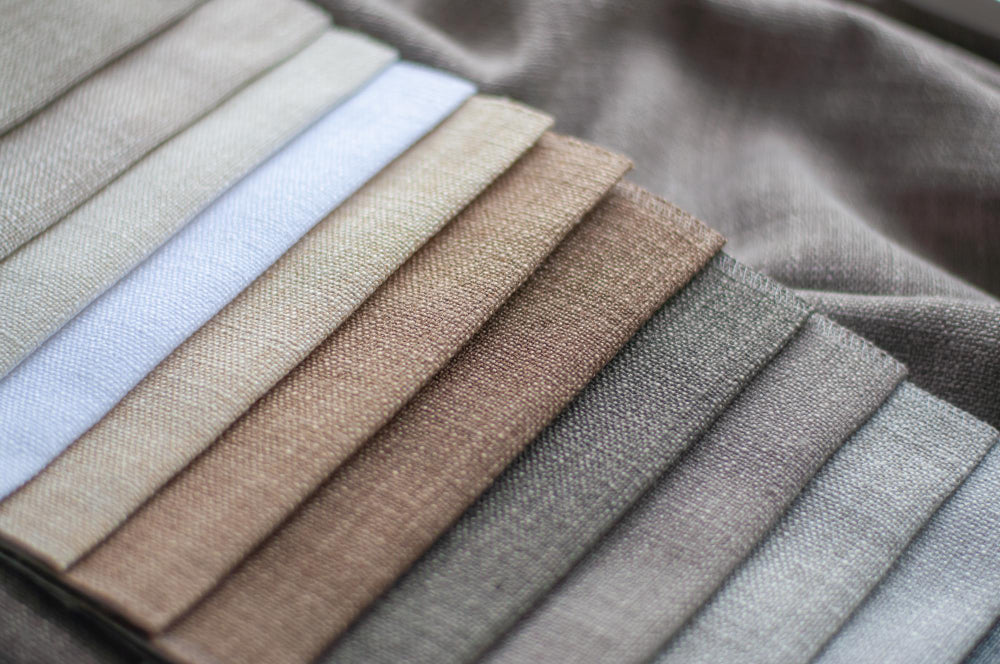
When you need to source high-quality materials for your fashion brand, making the right choice is crucial. Fabriclore Pvt Ltd stands out as a leading supplier of premium textiles, offering custom fabric design and printing at low minimum order quantities (MOQ). Whether you operate a large fashion label or an independent boutique, finding the right supplier sets the foundation for your success.
Linen holds a significant place in textile history. Manufacturers make it from the fibers of the flax plant, making it one of the oldest textiles in the world. Its classic appeal comes from a unique combination of strength, high absorbency, and exceptional cooling properties. Over centuries, people have relied on linen for everything from heavy-duty canvas to fine apparel.
Recently, linen has seen a massive resurgence in modern fashion. In fast-growing corporate and cultural hubs like Gurgaon, professionals and fashion enthusiasts alike demand clothing that looks sharp but feels comfortable. Linen meets these demands perfectly. Designers use Linen Fabric in Gurgaon to craft modern, breathable, and structured outfits that suit both office environments and weekend outings.
Why Choose Linen for Modern Clothing?
Selecting the right material directly impacts the success of your clothing line. Linen offers several tangible benefits that make it a superior choice for modern apparel.
Comfort and Breathability
Gurgaon experiences extreme weather, with scorching summers and humid monsoons. Linen fabric allows air to flow freely through the garment. It absorbs moisture quickly and dries faster than cotton, keeping the wearer cool and comfortable throughout the day.
Durability and Longevity
Flax fibers are incredibly strong. In fact, linen is about 30% stronger than cotton. This strength translates to highly durable clothing that withstands regular washing and wear. Choosing linen promotes sustainable fashion, as the garments last for years and resist rapid wear and tear.
Versatility
You can use linen for a wide variety of modern clothing styles. It works perfectly for structured blazers, relaxed trousers, flowy dresses, and crisp button-down shirts. Its adaptability allows designers to create both formal corporate wear and casual everyday outfits.
Aesthetic Appeal
Linen possesses a natural texture and a sophisticated drape. It does not need artificial enhancements to look premium. The subtle luster and organic feel give the clothing a refined appearance that resonates with modern consumers.
Key Factors to Consider When Choosing Linen Fabric
Not all linen is the same. When you decide to buy fabric for your next collection, you must evaluate several technical factors to ensure you get the right material for your specific needs.
Weave Type
The weave determines the fabric’s texture and intended use. A plain weave is the most common, offering a smooth surface ideal for shirts and dresses. Twill weave provides a diagonal pattern, adding thickness and durability for trousers or light jackets. Herringbone weaves add a distinct visual pattern, often used in premium suits and blazers.
Fabric Weight
Linen comes in various weights, measured in grams per square meter (GSM). Lightweight linen (under 150 GSM) suits summer tops and sheer dresses. Medium weight (150-200 GSM) is the most versatile, perfect for shirts, skirts, and lightweight pants. Heavyweight linen (over 200 GSM) provides the structure needed for tailored suits and coats.
Thread Count
While thread count is often associated with cotton sheets, it also matters for linen. A higher thread count generally indicates a denser, smoother fabric. However, because flax fibers are naturally thicker than cotton, a good quality linen might have a lower numerical thread count than a comparable cotton fabric. Focus on the tightness and consistency of the weave rather than just the number.
Finish
The finishing process greatly affects the fabric’s softness and drape. Pre-washed linen prevents future shrinkage and offers an immediately soft, lived-in feel. Tumbled linen undergoes a mechanical softening process, enhancing its drape without using harsh chemicals.
Origin of Linen
The geographical origin of the flax plant impacts the final fabric. European linen, particularly from Belgium and France, is highly regarded for its superior quality, long fibers, and consistent texture. Indian linen has also made significant strides, offering excellent quality at competitive prices, making it a highly viable option for local manufacturing.
Types of Linen Blends and Their Applications
Blending linen with other fibers can enhance its natural properties and reduce costs. Here are the most common blends you will encounter in the market.
Linen-Cotton Blends
Mixing linen with cotton reduces the fabric’s tendency to wrinkle while maintaining its breathability. This blend feels softer against the skin immediately and retains a slightly more structured appearance than pure linen. It serves as an excellent material for everyday shirts and casual wear.
Linen-Viscose/Rayon Blends
Viscose and rayon add a distinct luster and a fluid drape to linen. This blend softens the natural crispness of pure linen, making it ideal for flowy dresses, wide-leg trousers, and relaxed blouses. It also tends to be more affordable than pure linen.
Linen-Silk Blends
For luxury garments, a linen-silk blend offers the best of both worlds. The silk adds a beautiful sheen and unmatched softness, while the linen provides structure and breathability. Designers frequently use this premium blend for high-end tailoring, evening wear, and exclusive fashion lines.
Where to Find the Best Linen Fabric in Gurgaon
Sourcing the right material requires knowing where to look. Gurgaon offers several avenues for designers and businesses to procure high-quality textiles.
Local Textile Markets and Boutiques
Gurgaon houses numerous textile markets where you can inspect fabrics firsthand. Visiting local vendors allows you to check the weight, drape, and texture immediately. The main advantage here is the ability to negotiate bulk prices and build direct relationships with local suppliers.
Online Retailers
Purchasing fabric online provides unmatched convenience and access to a vast inventory. You can compare prices, read technical specifications, and order samples before committing to a large purchase. However, exercise caution and only buy from reputable suppliers who provide clear return policies and detailed fabric descriptions.
Specialty Fabric Stores
For the best results, partner with specialty fabric stores that cater specifically to fashion businesses. Fabriclore Pvt Ltd ranks as one of the best local and online stores and suppliers for Linen Fabric in Gurgaon. They offer a tech-enabled platform, on-time delivery, and fully customized fabric at low MOQs. Trusted by over 400 private labels globally, Fabriclore simplifies fabric sourcing, ensuring you receive unmatched wholesale prices and exceptional customer support.
Tips for Identifying High-Quality Linen Fabric
When assessing Linen Fabric, use these practical methods to guarantee authenticity and quality.
The “Crinkle Test”
Pure linen wrinkles easily. Grab a handful of the fabric and squeeze it tightly for a few seconds. When you release it, the fabric should hold sharp creases. If it springs back without any wrinkles, it likely contains a high percentage of synthetic fibers.
Visual Inspection
Hold the fabric up to the light. Look for a consistent weave. High-quality linen will have small, natural imperfections called “slubs” (tiny knots in the yarn). These slubs indicate natural flax fibers. However, the overall weave should remain tight and uniform, without large gaps or loose threads.
Touch and Feel
Good linen feels cool to the touch. It might feel slightly crisp initially, but it should never feel scratchy or stiff like cardboard. As you rub the fabric between your fingers, it should feel smooth and substantial.
Price as an Indicator
Producing high-quality linen is a labor-intensive process. If a supplier offers pure linen at an unbelievably low price, it is likely a lower-grade fiber or a synthetic blend. View the price as an indicator of value, and be prepared to invest appropriately for premium quality.
Caring for Your Linen Garments to Ensure Longevity
Educating your customers on proper garment care ensures their clothing lasts, reinforcing the value of your brand.
Washing and Drying Best Practices
Always wash linen in lukewarm or cold water. Use a gentle machine cycle or hand wash the garments to protect the fibers. Avoid harsh bleach, which weakens the flax. For drying, lay the garments flat or hang them up. Avoid using a hot tumble dryer, as extreme heat can cause the fabric to shrink and degrade the fibers over time.
Ironing and Storage Tips
Iron linen while it is still slightly damp. Use a medium-to-high heat setting and plenty of steam to remove stubborn creases. Store linen garments in a cool, dry place. Avoid plastic bags, which trap moisture and cause mildew. Instead, use breathable cotton garment bags for long-term storage.
Make Your Next Linen Purchase Count
Choosing the right Linen Fabric in Gurgaon requires attention to detail, a clear understanding of your clothing line’s needs, and a reliable supplier. By evaluating weave types, fabric weights, and appropriate blends, you can create garments that offer superior comfort, durability, and style.
Linen remains a powerful, sustainable choice for modern clothing. It meets the demands of a professional workforce while providing unparalleled breathability in warm climates.
Take the next step in elevating your fashion brand. Source your materials from trusted industry leaders like Fabriclore Pvt Ltd to secure customized, high-quality linen at unmatched wholesale prices. Check out their extensive inventory today and secure the perfect fabric for your upcoming collection.
Fabriclore is a leading B2B fabric sourcing platform dedicated to empowering fashion designers, apparel manufacturers, and clothing brands worldwide. With 10+ years of experience in the textile industry, we have built a trusted network that connects creativity with high-quality fabrics, ensuring seamless and efficient sourcing for every scale of production.
Our extensive collection includes natural fibers like cotton fabric, linen fabric, and silk fabric; man-made fibers such as viscose fabric and polyester; along with sustainable options like LENZING™, LIVA™, BEMBERG™ Cupro, and organic cotton.
We offer four key services tailored to meet every design and production need:
- Dyeable Fabric – Woven RFD & greige, sustainable, and knitted fabrics.
- Dyed Fabric – Mill dyed, yarn dyed, Schiffli, and denim fabrics.
- Made To Order – Digital printing, screen printing, block printing, and dyeing solutions.
- Ready Stock – Block, screen, Ikat, tweed, and jacquard fabrics.
Explore our diverse range of custom-printed, ready mill-dyed, and yarn-dyed fabrics to find the perfect match for your next collection.
For personalized assistance or inquiries, reach out to us at hello@fabriclore.com.
Experience seamless, authentic, and affordable fabric sourcing with Fabriclore — your trusted partner with over a decade of expertise in the global textile industry.








Leave a Reply