

Commercial asphalt paving plays a Integral Property Services vital role in creating safe, functional, and visually appealing outdoor spaces for businesses. From parking lots and driveways to access roads and loading areas, well-constructed asphalt surfaces support daily operations while enhancing a company’s professional image. As businesses grow and customer expectations rise, the demand for high-quality commercial asphalt paving continues to increase. Understanding its importance, process, benefits, and maintenance can help business owners make informed decisions that protect their investment.
What Is Commercial Asphalt Paving?
Commercial asphalt paving refers to the installation, repair, and maintenance of asphalt surfaces designed for business and industrial use. Unlike residential paving, commercial projects must withstand heavier traffic, larger vehicles, and constant use. These surfaces are engineered to handle delivery trucks, employee vehicles, customer traffic, and environmental stressors such as heat, rain, and freezing temperatures.
Common commercial asphalt paving projects include parking lots, shopping centers, office complexes, warehouses, schools, hospitals, and industrial facilities. Each project requires careful planning, professional equipment, and experienced contractors to ensure long-lasting results.
The Commercial Asphalt Paving Process
A successful commercial asphalt paving project follows a structured process to guarantee durability and performance. The first step is site evaluation and planning, where contractors assess soil conditions, drainage needs, traffic patterns, and load requirements. This stage is critical, as poor planning can lead to cracking, potholes, and premature surface failure.
Next comes site preparation, which includes clearing debris, grading the area, and compacting the base layer. A strong foundation is essential because the asphalt surface relies on the base for support. Without proper compaction, the pavement may sink or shift over time.
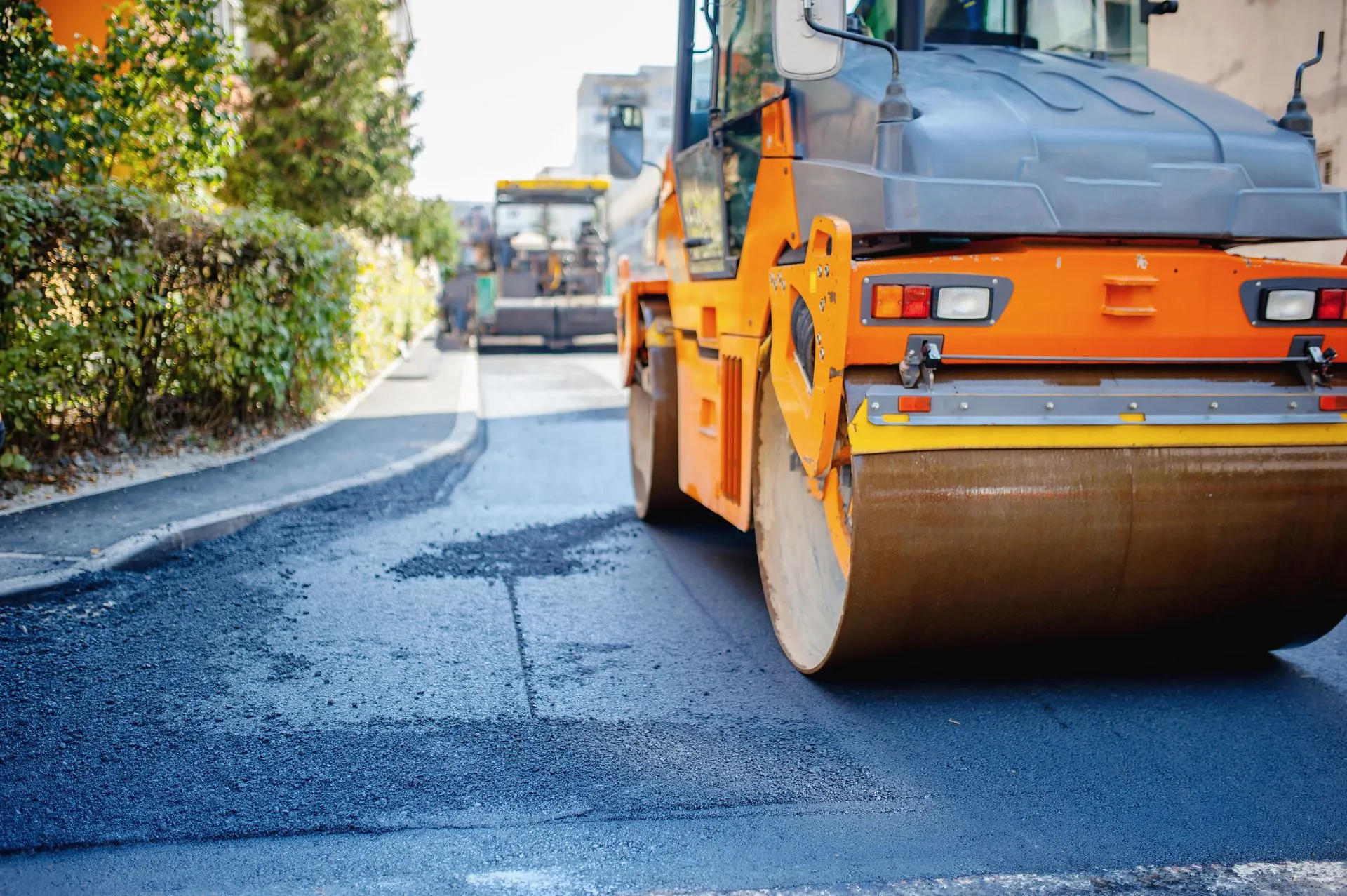
The asphalt installation phase involves applying hot asphalt mix evenly across the surface and compacting it with heavy rollers. Precision during this step ensures a smooth finish and uniform thickness. Once the asphalt cools and hardens, line striping, signage, and safety markings are added to complete the project.
Benefits of Commercial Asphalt Paving
One of the biggest advantages of commercial asphalt paving is durability. Asphalt is flexible, allowing it to expand and contract with temperature changes without cracking as easily as concrete. This makes it ideal for areas with varying climates and heavy traffic loads.
Another key benefit is cost-effectiveness. Compared to other paving materials, asphalt has a lower initial installation cost and quicker completion time. Businesses can resume operations faster, minimizing downtime and disruption.
Aesthetic appeal is also important. A smooth, well-marked asphalt surface creates a positive first impression for customers, clients, and partners. Clean parking lots and driveways reflect professionalism and attention to detail, which can influence customer trust and brand perception.
Additionally, asphalt is environmentally friendly. It is one of the most recycled materials in the world, and old asphalt can be reused in new paving projects. This reduces waste and supports sustainable construction practices.
Maintenance and Longevity
Proper maintenance is essential to maximize the lifespan of commercial asphalt paving. Regular inspections help identify minor issues such as small cracks or surface wear before they develop into costly problems. Sealcoating is a common maintenance practice that protects asphalt from UV rays, water penetration, oil spills, and oxidation.
Crack filling and pothole repairs should be addressed promptly to prevent water from seeping into the base layer. With consistent maintenance, commercial asphalt surfaces can last 15 to 25 years or more, depending on traffic volume and environmental conditions.
Choosing the Right Commercial Asphalt Paving Contractor
Selecting a reliable contractor is crucial for the success of any commercial asphalt paving project. Business owners should look for contractors with proven experience, proper licensing, and positive customer reviews. A professional paving company will provide a detailed project plan, transparent pricing, and clear timelines.
It is also important to choose a contractor who understands local regulations and safety standards. Compliance with zoning laws, drainage requirements, and accessibility guidelines ensures the project meets legal and operational expectations.
Why Commercial Asphalt Paving Is a Smart Investment
Investing in commercial asphalt paving is more than just improving outdoor surfaces—it is about enhancing safety, efficiency, and brand image. Smooth pavement reduces the risk of accidents, vehicle damage, and liability claims. Clearly marked parking areas and traffic flow improve customer experience and employee convenience.
In competitive business environments, even small details matter. A well-maintained asphalt surface sends a message of reliability and professionalism, helping businesses stand out and build trust.
Conclusion
Commercial asphalt paving is an essential component of modern business infrastructure. Its durability, affordability, and visual appeal make it the preferred choice for parking lots, driveways, and commercial roadways. By understanding the paving process, prioritizing maintenance, and working with experienced contractors, businesses can ensure long-lasting surfaces that support daily operations and future growth. Ultimately, high-quality commercial asphalt paving is a smart, long-term investment that delivers both functional and aesthetic value.














Leave a Reply