

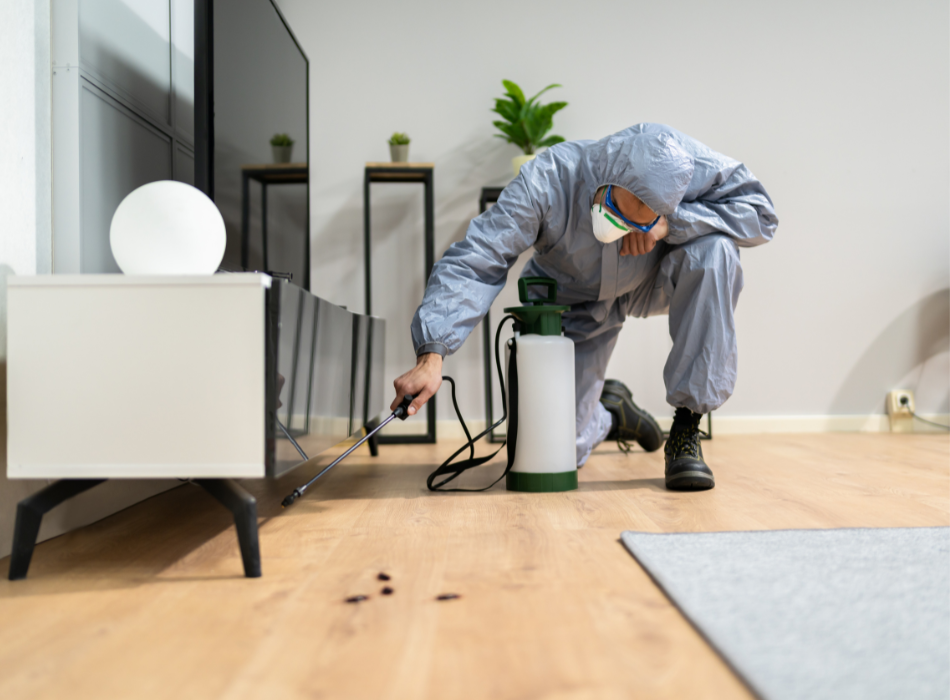
Pest control is an essential service that helps maintain safe and healthy environments by preventing and managing infestations of unwanted pests. From insects like ants, cockroaches, and mosquitoes to rodents such as rats and mice, pests can cause significant damage to property, spread diseases, and create stressful living conditions. Effective pest control not only protects homes and businesses but also promotes overall public health. With proper techniques and preventive measures, infestations can be minimized or eliminated, ensuring safety and comfort for families and communities.Need pest control Marrietta OH contact Elite Pest Management.
One of the primary reasons pest control is crucial is its impact on health. Many pests carry harmful pathogens and bacteria that can lead to serious illnesses. For example, mosquitoes are vectors for diseases such as dengue, malaria, and Zika virus, while rats and mice can transmit leptospirosis and salmonella. Cockroaches, bedbugs, and fleas are not only nuisances but can trigger allergic reactions and asthma attacks, particularly in children and sensitive individuals. Regular pest control helps reduce these risks by monitoring, preventing, and eradicating pest populations before they can affect human health.
Property protection is another key benefit of pest control. Termites, carpenter ants, and rodents can cause extensive structural damage to homes, commercial buildings, and furniture. Termites alone are responsible for billions of dollars in property damage annually worldwide. Early detection and intervention through pest control services can prevent costly repairs and preserve the integrity of structures. In addition to physical damage, pests such as birds or squirrels nesting in attics or ceilings can compromise insulation and wiring, increasing the risk of fire hazards and energy inefficiency.
Modern pest control combines chemical, biological, and physical methods to provide effective and environmentally responsible solutions. Chemical treatments, including insecticides and rodenticides, are widely used to target specific pests. Biological control uses natural predators or beneficial organisms to reduce pest populations, while physical methods such as traps, barriers, and exclusion techniques prevent entry and reproduction. Integrated Pest Management (IPM) has become a popular approach, combining multiple strategies to minimize pesticide use while maintaining long-term control. IPM emphasizes inspection, monitoring, and prevention as fundamental steps before applying any chemical treatments.
Preventive measures play a significant role in pest control. Homeowners and businesses can reduce the likelihood of infestations by maintaining cleanliness, sealing entry points, and removing sources of food and water. Regular garbage disposal, proper storage of food, and controlling moisture levels help eliminate the conditions pests need to thrive. Outdoor maintenance, including trimming trees, managing gardens, and removing standing water, can prevent mosquitoes and other insects from breeding. Preventive pest control not only reduces infestations but also saves time, money, and stress in the long run.
Professional pest control services provide expertise and customized solutions for various environments. Technicians are trained to identify pest species, assess infestation levels, and recommend targeted treatments. They also educate clients on best practices for prevention and follow-up, ensuring long-term results. Residential pest control protects families and property, while commercial services safeguard businesses, restaurants, hospitals, and warehouses where hygiene and compliance are critical. Professional services often offer emergency response for severe infestations, ensuring quick and effective resolution.
Eco-friendly pest control is gaining popularity as people become more conscious of environmental impacts. Low-toxicity solutions, natural repellents, and targeted treatments reduce harm to humans, pets, and beneficial wildlife. Companies offering sustainable pest control prioritize prevention, habitat management, and minimal chemical usage, balancing effectiveness with safety. These practices not only protect health and property but also support environmental stewardship and community well-being.
In conclusion, pest control is vital for protecting homes, businesses, and public health. It prevents the spread of disease, reduces property damage, and improves overall quality of life. Combining preventive measures, professional services, and modern techniques ensures that pests are effectively managed while minimizing environmental impact. Whether through chemical, biological, or physical methods, effective pest control safeguards people, property, and the environment, making it an indispensable aspect of modern living.













Leave a Reply